Hearing a constant hissing sound from the exhaust port of your pneumatic solenoid valve? It’s frustrating, it causes unwanted downtime, and that wasted compressed air is quietly eating into your factory’s energy costs.
When engineers or maintenance staff hear air escaping from the valve’s silencer, the immediate reaction is usually: “The valve is broken. Let’s replace it.” But wait! Before you throw away that valve, you need to read this. In the pneumatic industry, it is a well-known secret that in about 80% of these cases, the solenoid valve is perfectly fine. The real culprit is often hiding further down the air line.
Here is the ultimate quick fix and diagnostic guide to save you time and money.
The 1-Minute Diagnostic Test (Is it the Valve or the Cylinder?)
You don’t need complex tools to figure out why your valve is leaking. You just need one minute and this simple test.
⚠️ Safety First: Never disconnect pressurized pneumatic tubing. It can cause severe injury.
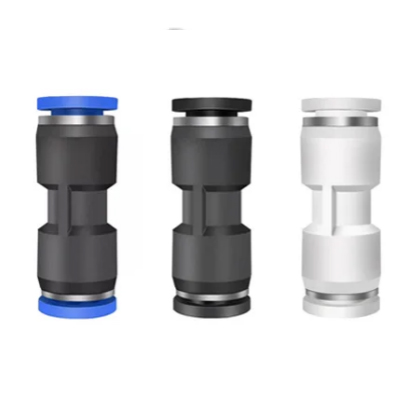
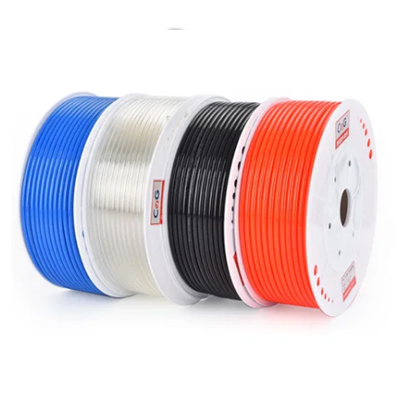
Step 1: Turn OFF the main air supply and safely depressurize the system. Step 2: Locate the PU tubing connecting the solenoid valve to the pneumatic cylinder. Step 3: Press the release ring on the push-to-connect fitting and disconnect the air line from the cylinder port. Step 4: Turn the air pressure back ON and actuate the valve.
The Results:
- Scenario A (The Hissing Stops at the Valve): If the air stops leaking out of the valve’s exhaust port and instead starts blowing out of the disconnected port on the cylinder itself, your valve is good. The problem is a broken internal seal inside the pneumatic cylinder.
- Scenario B (The Hissing Continues at the Valve): If the air continues to leak directly from the valve’s exhaust port even with the cylinder disconnected, the valve is the problem.
Cause 1: The Pneumatic Cylinder is Bypassing (Most Common)
If your test resulted in Scenario A, you are experiencing what engineers call “cylinder bypassing” or “blow-by.”
Inside a double-acting pneumatic cylinder, there is a piston seal that separates the extend and retract chambers. When this seal wears out due to age, side-loading, or lack of maintenance, compressed air leaks past the piston into the other chamber.
This air travels backward down the opposite airline, enters the solenoid valve, and escapes through the open exhaust port. It looks and sounds like a valve leak, but the valve is simply doing its job by venting the back-fed air!
The Fix: You need to replace the piston seals inside the cylinder or replace the pneumatic cylinder entirely.
(Want to learn more about cylinder types? Read our guide: Single Acting vs. Double Acting Pneumatic Cylinders: Which One Should You Choose?)
Cause 2: Debris Inside the Pneumatic Solenoid Valve
If your test resulted in Scenario B, the issue is indeed within the pneumatic solenoid valve.
Usually, this happens because contaminants—such as dirt, rust from old pipes, moisture, or shredded bits of Teflon tape—have entered the valve body. This debris gets stuck on the internal spool or damages the delicate rubber O-rings. When the spool cannot shift completely or the seals are scratched, air continuously bleeds out the exhaust port.
The Fix: 1. Clean it: Disconnect the power and air, open the valve, and carefully clean the spool and bore with a soft cloth. Apply proper pneumatic grease. 2. Rebuild or Replace: If the seals are visibly torn, you can use a valve rebuild kit. If not available, it’s time to order a replacement pneumatic solenoid valve.
(Confused about which valve to buy? Check out: The Ultimate Guide to Pneumatic Solenoid Valves: Types, Working Principles, and Applications)
How to Prevent Future Leaks
Whether the leak was caused by the cylinder or the valve, the root cause is almost always the same: Poor Air Quality.
Pneumatic components require clean, dry air to function properly. If your factory airlines are full of moisture or dust, your components will fail prematurely.
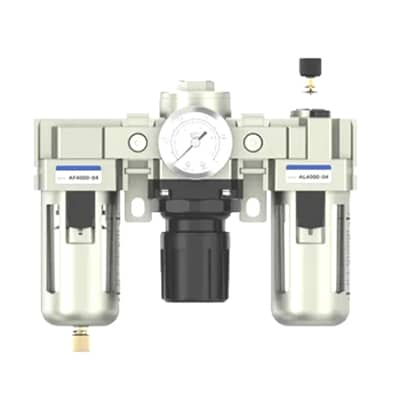
To drastically extend the life of your pneumatic solenoid valves and cylinders, always install an FRL Unit (Filter, Regulator, Lubricator) upstream. A good Filter will catch the debris before it shreds your valve seals. (Note: Many modern cylinders are lube-free. Only use the Lubricator function if your specific components require external oiling, as adding oil can wash away factory grease).
(Learn more here: The Ultimate Guide to FRL Units: What They Are and Why Your Pneumatic System Needs One)
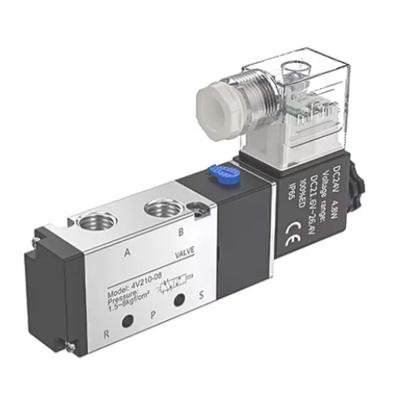
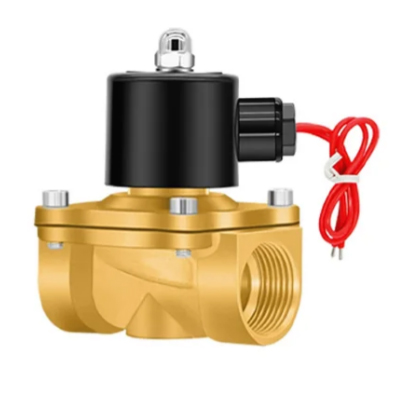
Need replacement parts fast? If your diagnostic test showed that you need a new valve or reliable fittings, browse our premium selection of Pneumatic Solenoid Valves and leak-free Push-to-Connect Fittings. We provide high-quality components designed for strict industrial automation standards.