You’ve wired your solenoid valve correctly, the coil clicks when energized, but no air is moving through the system. Does this sound familiar?
In 90% of these cases, the problem isn’t a faulty valve—it’s a mismatch in actuation types. Selecting between a Direct Acting and a Pilot Operated solenoid valve is a critical step that determines if your automation system will function at low pressures or achieve the high flow rates you require.
In this guide, we will break down the mechanics of both types, explain the “Zero Pressure” rule, and help you choose the right valve for your specific industrial application.
Direct Acting Solenoid Valves: The Simple Powerhouse
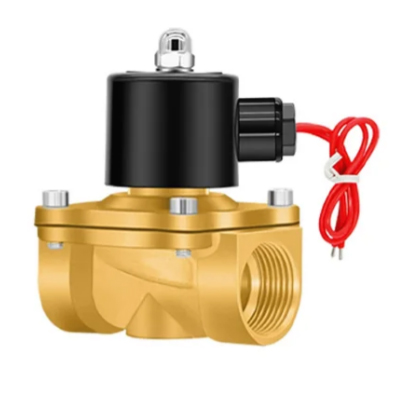
In a direct acting solenoid valve, the electromagnetic coil is directly linked to the valve spool or plunger. When you apply power, the magnetic force physically lifts the seal to open the path.
Key Characteristics:
- Works from 0 Bar: Because the coil does all the work, these valves do not require any minimum system pressure to function.
- Vacuum Compatible: This is the only choice for vacuum applications or low-pressure gravity systems.
- Fast Response: The action is instantaneous.
- Limitations: To handle higher flow rates, the coil would need to be massive. Therefore, direct acting valves are typically limited to smaller sizes (usually up to 1/4″ or 1/8″ ports).
Pilot Operated Solenoid Valves: The High-Flow Specialist
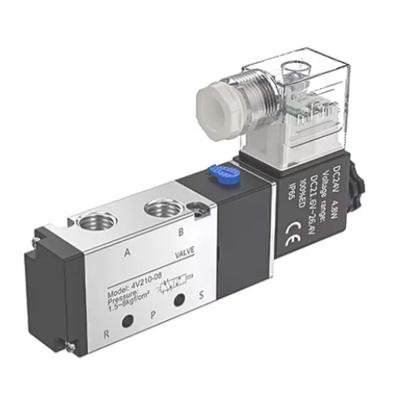
A pilot operated solenoid valve (also known as an internally piloted valve) uses a “divide and conquer” strategy. The coil doesn’t move the main spool; it only opens a tiny “pilot hole.” Once that hole is open, the compressed air within the system itself provides the force needed to shift the large main spool.
Key Characteristics:
- High Flow Rates: By using the system’s own energy to move the spool, these valves can handle very large volumes of air with a small, energy-efficient coil.
- Minimum Pressure Required: Most pilot-operated valves require at least 1.5 to 2.0 Bar (approx. 22 to 30 PSI) of internal pressure to function. If your pressure drops below this threshold, the valve will not open, even if the coil is energized.
- Energy Efficient: They require much less electrical power than a direct acting valve of the same size.
Direct Acting vs. Pilot Operated: Side-by-Side Comparison
| Feature | Direct Acting | Pilot Operated |
|---|---|---|
| Min. Operating Pressure | 0 Bar (0 PSI) | 1.5 – 2.0 Bar (22+ PSI) |
| Max. Flow Capability | Low to Medium | Very High |
| Response Time | Faster | Slightly Slower |
| Power Consumption | Higher (for same size) | Low |
| Media Sensitivity | More Forgiving | High (Pilot hole clogs easily) |
| Best For | Vacuum, Low Pressure, Fast Cycling | Large Cylinders, High Flow Systems |
3 Factors That Should Drive Your Selection
1. Your System’s Pressure Range
If you are operating a system with fluctuating pressure or one that starts from a dead stop (0 Bar), you must choose a direct acting valve. For standard factory automation running consistently at 6-8 Bar, a pilot operated valve is the industry standard due to its efficiency.
2. Air Quality and Filtration
This is a critical maintenance point. Because pilot operated valves rely on a tiny internal pilot hole (often less than 1mm wide), they are extremely sensitive to dirt, oil sludge, and moisture.
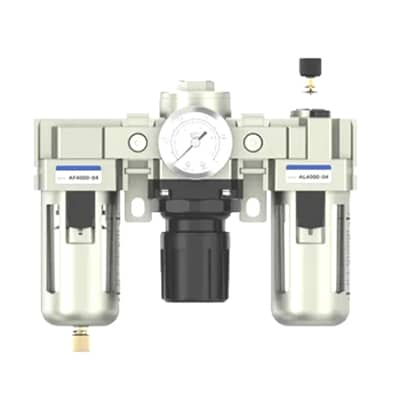
- The Solution: If you use pilot operated valves, you must have a high-performance Pneumatic Filter (5 Micron) installed. A standard 40-micron filter may allow particles through that could clog the pilot hole, causing the valve to fail.
3. Vacuum and Suction Applications
Standard pilot-operated valves use the pressure inside the valve body to move the spool. In a vacuum, there is no positive pressure to “borrow.” Therefore, if you are designing a vacuum pick-and-place system, only a direct acting valve will work.
Conclusion: Don’t Get Stuck at 0 Bar
Choosing the right actuation type is the difference between a reliable machine and a frustrated maintenance team. Always verify your minimum operating pressure before ordering.
Still not sure which actuation type is right for your manifold? Our technical team can help you calculate the required flow rates and pressure tolerances for your project. Contact us today for a professional selection audit.