In the food and beverage industry, a single failing component can lead to catastrophic consequences. Imagine a scenario where a standard pneumatic fitting on a bottling line begins to corrode after repeated high-pressure washdowns. Flakes of rust or degraded plastic fall onto the production line, leading to a massive product recall, millions of dollars in lost revenue, and irreversible damage to your brand’s reputation.
When designing or maintaining food processing equipment, selecting the right food grade pneumatic fittings is not just about keeping the air flowing—it is about strict hygiene, regulatory compliance, and system longevity.
This guide will walk you through everything engineers and sourcing managers need to know about choosing FDA approved pneumatic fittings, selecting the right materials, and avoiding costly downtime.

What Does “FDA Compliant” Actually Mean for Air Fittings?
Many suppliers throw around the term “food grade,” but in the B2B world, you need specifics. In the United States, the Food and Drug Administration (FDA) sets strict guidelines under FDA CFR 21 (Code of Federal Regulations, Title 21) regarding materials that come into contact with food.
For pneumatic systems, compliance generally falls into two categories:
- Direct Contact: Fittings and tubing where the compressed air blows directly onto food products (e.g., sorting machines, blowing off excess flour, or aeration).
- Indirect Contact/Splash Zone: Components located near the food line that might get splashed with food or harsh cleaning chemicals, even if they don’t touch the food directly.
To be truly FDA compliant, a fitting must be manufactured from materials (both the body and the internal seals) that are non-toxic, non-absorbent, and resistant to degradation from food acids and cleaning agents.
Material Selection: The Core of Food Grade Pneumatic Fittings
Choosing the right material is the most critical step in preventing rust in pneumatic systems and ensuring food safety.
316L Stainless Steel: The Gold Standard for Washdown Environments
For meat processing, dairy plants, and environments that require intense, daily high-pressure washdowns with aggressive chemicals (such as caustic soda), 316L stainless steel push-in fittings are the ultimate choice.
Unlike 304 stainless steel, 316L contains molybdenum, which drastically improves its resistance to pitting and chemical corrosion. These chemical resistant air fittings offer the lowest Total Cost of Ownership (TCO) because they rarely need replacing, even in the harshest conditions.
Food-Grade Plastics (POM, PP, PVDF): When to Use Them
If your application doesn’t involve extreme temperatures or highly aggressive chemicals (e.g., dry packaging lines or bakery automation), food-grade plastics are a cost-effective alternative.
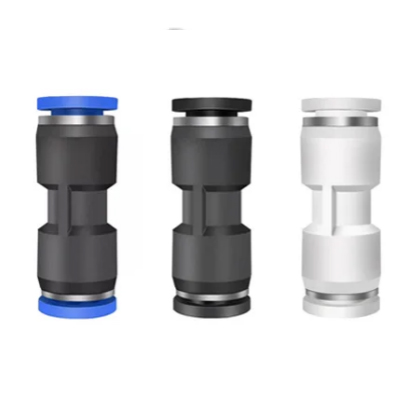
- POM (Acetal): Great mechanical strength and widely used for standard food-grade push-to-connect fittings.
- PVDF: Offers superior chemical resistance and can withstand higher temperatures, making it a bridge between standard plastics and stainless steel.
Can I Use Standard Brass Fittings in Food Processing?
The short answer is: No. Standard brass contains trace amounts of lead and zinc. Over time, moisture and cleaning chemicals will cause the brass to corrode, leaching heavy metals and potentially contaminating the food supply. Even nickel-plated brass will eventually chip and peel in a washdown environment. Always opt for 316L stainless steel or certified food-grade plastics.
(Want to dive deeper into material differences? Check out our ultimate guide: [Brass vs. Stainless Steel vs. Plastic: How to Choose the Right Material for Pneumatic Fittings])
Don’t Forget the Seals: O-Rings and Washers for Food Applications
A high-quality stainless steel body is useless if the internal O-ring degrades and falls into the product. The seals inside your food grade pneumatic fittings must also comply with FDA CFR 21.177 standards.
- FKM (Viton): Excellent for environments involving animal fats, vegetable oils, and high temperatures.
- EPDM: The go-to choice if your system undergoes frequent steam cleaning or hot water washdowns.
- FDA Silicone: Highly flexible and temperature resistant, often used in beverage and dairy applications.
Design Features: Clean-in-Place (CIP) and Crevice-Free Designs
In the food industry, bacteria like Salmonella and Listeria love to hide in tiny gaps and threads. When selecting fittings, look for hygienic design principles:
- Crevice-Free Construction: Fittings designed with smooth transitions and no dead spaces where bacteria or food particles can accumulate.
- CIP (Clean-in-Place) Compatibility: CIP pneumatic components are designed to be thoroughly cleaned by automated chemical flushes without needing to be disassembled.
Matching Tubing and Valves for a Complete Hygienic System
A pneumatic system is only as strong as its weakest link. Pairing premium 316L stainless fittings with non-compliant tubing defeats the purpose.
To build a fully hygienic ecosystem, ensure you are using:
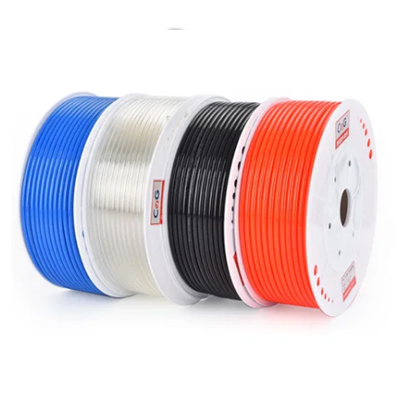
- FDA-approved PU Tubing or PTFE Hoses: These offer high flexibility, clarity (for easy inspection), and resistance to microbial growth.
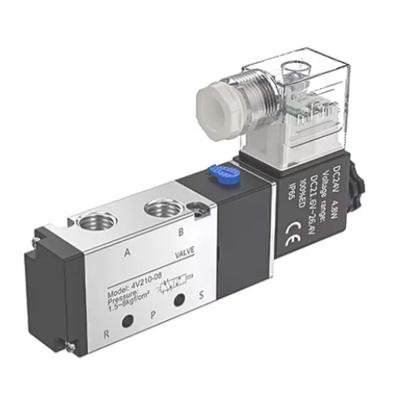
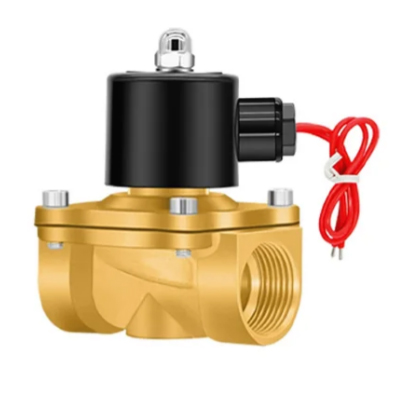
- IP69K Rated Solenoid Valves: If your fittings are getting washed down, your valves are too. IP69K valves can withstand high-pressure, high-temperature water jets.
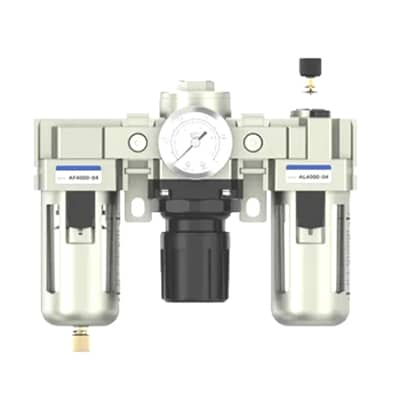
- Food Grade FRL Units: Ensure your Filter-Regulator-Lubricator units use food-grade lubricating oil (NSF H1) to prevent air-borne oil contamination.
Conclusion & B2B Sourcing Checklist
Choosing the right pneumatic fittings for the food and beverage industry requires balancing strict FDA compliance, chemical resistance, and budget. Remember this quick checklist:
- Always verify FDA CFR 21 compliance for both the fitting body and the internal seals.
- Invest in 316L Stainless Steel for harsh, chemical washdown areas to prevent rust and downtime.
- Ensure hygienic, crevice-free designs to eliminate bacterial breeding grounds.
- Match your fittings with FDA-approved tubing and IP69K valves.
Looking for a Reliable Pneumatic Supplier for the Food Industry? Whether you are an OEM designing a new bottling machine or a plant manager upgrading your CIP system, we provide bulk orders and custom manufacturing of 316L stainless steel food grade pneumatic fittings.