Walk across your factory floor during a quiet moment. Do you hear a distinct “hissing” sound coming from the machinery? That is not just the sound of compressed air escaping—that is the sound of your profits evaporating.
Compressed air is often called the “fourth utility” in manufacturing, alongside electricity, water, and gas. However, it is by far the most expensive. Generating compressed air consumes massive amounts of electricity, and shockingly, the US Department of Energy estimates that up to 30% of all compressed air generated in a typical factory is lost to leaks and inefficiencies.
Before you spend $50,000 upgrading to a larger, more efficient air compressor, look at the “veins and arteries” of your pneumatic system. Here are 3 highly effective, low-cost ways to reduce your compressed air consumption and slash your utility bills immediately.

1. Hunt Down and Eliminate Air Leaks (The Silent Thief)
The most obvious cause of energy waste is physical leakage. A single 1/8-inch (3mm) hole in a compressed air line operating at 100 PSI can cost a factory over $1,500 per year in wasted electricity. Now multiply that by dozens of microscopic leaks across your assembly line.
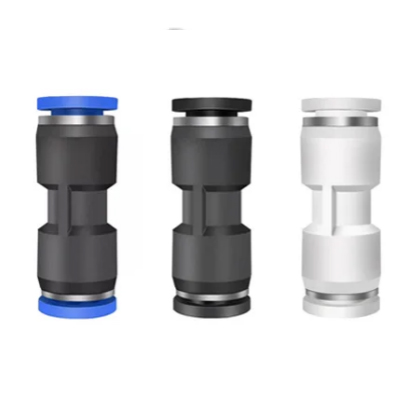
The Root Cause: Most leaks do not happen in the heavy metal pipes; they happen at the connection points. Cheap, low-quality pneumatic push-fittings often have inferior internal O-rings that degrade over time due to vibration and temperature changes. Furthermore, using cheap air tubing that hardens and cracks will inevitably lead to blow-outs and silent leaks.
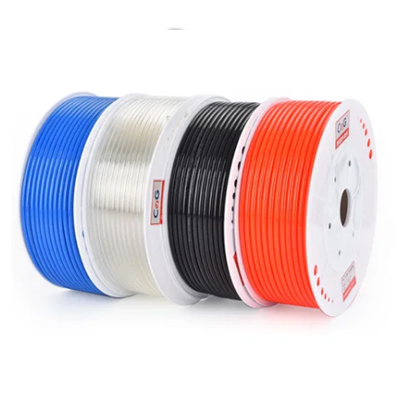
The Fix: Establish a routine leak-detection program (using ultrasonic detectors or simple soapy water). When you find a leak, do not patch it—replace it. Upgrade your connection points with our Premium Leak-Free Push-to-Connect Fittings. Manufactured with high-grade stainless steel lock claws and resilient NBR/Viton O-rings, they guarantee a perfect, airtight seal. Pair them with our durable, flexible Polyurethane (PU) Tubing to eliminate stress fractures and secure your pneumatic network.
2. Stop “Artificial Demand” by Lowering Pressure
There is a dangerous myth on the factory floor: “If the machine is running slow, just turn up the main air pressure.” This leads to a phenomenon called Artificial Demand.
If a pneumatic cylinder only requires 4 bar (60 PSI) of pressure to safely push a cardboard box, but your main line is supplying 7 bar (100 PSI), you are wasting 3 bar of compressed air every single time that cylinder actuates. As a rule of thumb, every 1 bar (14.5 PSI) of pressure reduction can reduce your compressor’s energy consumption by roughly 7%.
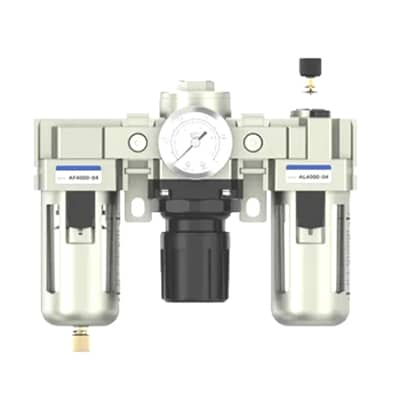
The Fix: You must stop over-pressurizing your actuators. The solution is to install Precision Air Pressure Regulators (FRL Units) as close to the point of use as possible. By placing one of our high-flow Regulators before every major machine or valve manifold, you can dial down the specific pressure to the exact minimum required for that task. Your cylinders will still perform perfectly, but they will consume significantly less volume per stroke.
3. Shut Off the Air When Machines Are Idle
Imagine leaving every light in your factory turned on over the weekend when no one is working. You would never do that. Yet, countless factories leave their pneumatic main lines fully pressurized during nights, weekends, and shift changes.
Even if your machines are not running, the main compressor is still cycling on and off just to maintain pressure against the inevitable small leaks throughout the sprawling pipe network. This “idle running” is a massive drain on electricity and adds unnecessary wear and tear to your compressor motor.
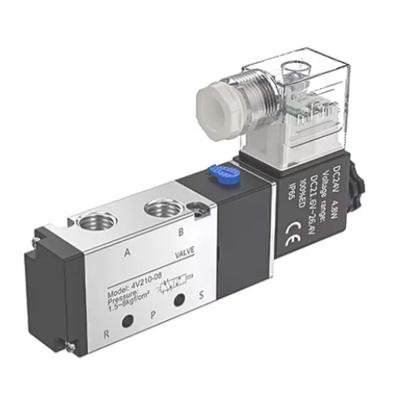
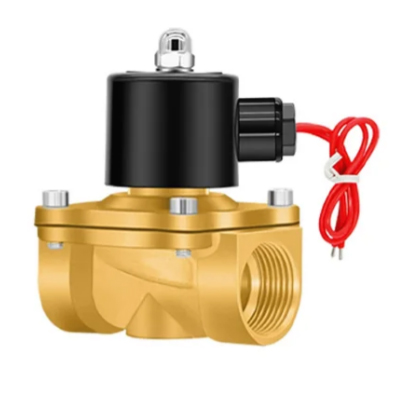
The Fix: Implement a zone-isolation strategy. Install our Directional Control Solenoid Valves or manual Pneumatic Shut-Off Valves at the air inlet of every individual machine or production cell. When the shift ends, the machine’s PLC can automatically de-energize the solenoid valve, shutting off the air supply to that specific zone. This instantly isolates the machine’s internal leaks from the main compressor, ensuring you only pay for the air you actually use during production hours.
Conclusion: Small Upgrades, Massive Energy ROI
Reducing your factory’s compressed air consumption does not always require massive capital investments. By addressing the low-hanging fruit—fixing leaks with premium fittings, regulating pressure at the point of use, and automatically shutting off idle zones—you can drastically lower your monthly energy bills.
In fact, the Return on Investment (ROI) for upgrading your pneumatic accessories is incredibly fast. Spending a few hundred dollars on high-quality fittings and regulators today can easily pay for itself in saved electricity within a few short months.
Are you ready to stop paying for wasted air? As a direct manufacturer of premium pneumatic components, we provide the exact leak-free fittings, precision FRL units, and reliable solenoid valves you need to optimize your factory’s energy efficiency.