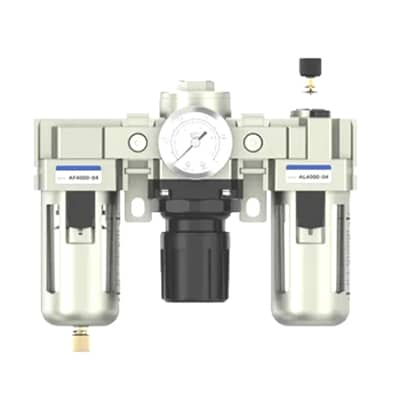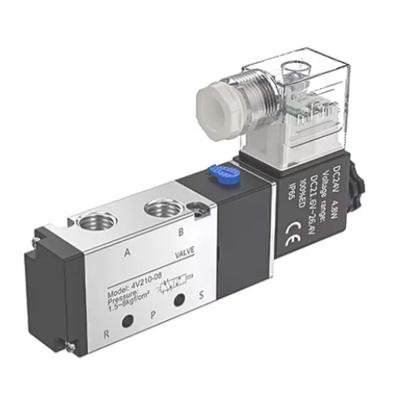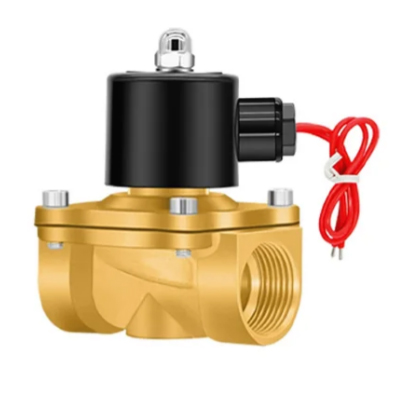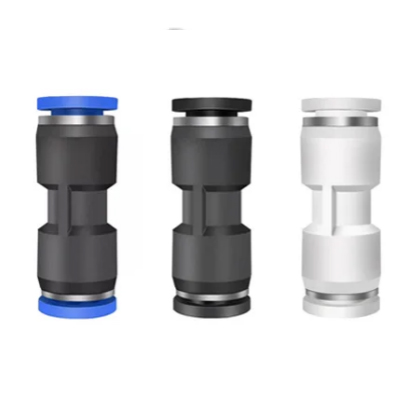
Is that constant hissing sound driving you crazy? Or did you just watch your pressure gauge jump to 120 PSI all on its own, even though you set it to 80?
When your FRL unit (Filter, Regulator, Lubricator) starts acting up, it usually means one thing: Downtime. Your tools lose power, your valves get stuck, and production grinds to a halt.
But before you rip the entire unit off the wall and throw it in the trash—STOP.
FRL units are modular by design. 90% of the time, the problem isn’t a “broken unit.” It’s just a $5 worn-out O-ring or a clogged filter element. In this guide, we’ll walk you through the 5 most common symptoms, what causes them, and how to fix them quickly with a simple Repair Kit.
⚠️ SAFETY FIRST: Read Before You Touch Anything
WARNING: Compressed air is dangerous. Never attempt to service an FRL unit while it is under pressure. A loose bowl or plug can become a projectile.
- Turn off the main air supply valve.
- Drain the pressure from the system (trigger a blow gun or open the drain valve until the gauge reads 0 PSI).
- Lockout/Tagout if you are in an industrial setting.
Problem #1: Hissing? The Regulator is Leaking
The Symptom: You hear a constant hissing sound coming from the FRL unit. The Question: Is it coming from the Knob (top) or the Bowl (bottom)?
Pro Tip: Can’t find the leak? Mix some dish soap with water in a spray bottle and spray the unit. Bubbles will form instantly where the air is escaping.
Scenario A: Leaking from the Top (Around the Knob or Weep Hole)
If you see bubbles forming around the plastic knob or the tiny vent hole on the side (called the Weep Hole), you have a ruptured diaphragm.
!
- The Cause: Old age, over-pressurization, or oil contamination has cracked the rubber diaphragm inside.
- The Quick Fix: You don’t need a new regulator.
- Buy a Regulator Repair Kit (Diaphragm & Spring).
- Unscrew the bonnet (top cap).
- Swap out the old diaphragm.
- Reassemble. Done in 5 minutes.
Scenario B: Leaking from the Bottom (Filter Bowl)
If the hissing comes from the bottom of the filter bowl, it’s usually the Drain Valve.
- The Cause: Debris (rust/scale) is stuck in the drain seal, preventing it from closing.
- The Quick Fix:
- Open the drain valve fully to flush out the debris.
- If it still leaks, remove the bowl and clean the O-ring seal with soapy water.
- Note: If the O-ring is flattened or cracked, replace the entire Bowl Assembly.
Problem #2: The “Ghost” Pressure (Regulator Creep)
The Symptom: You set your regulator to 90 PSI while the tool is running. You walk away for lunch, come back, and the gauge reads 120 PSI.
The Risk: This “creeping” pressure can damage sensitive downstream components or trigger safety relief valves unexpectedly.
The Cause: A Dirty Valve Seat This phenomenon is technically called Regulator Creep. Inside the regulator, a main valve (poppet) opens and closes to control airflow. If a tiny piece of rust, pipe scale, or Teflon tape gets stuck on the Valve Seat, the valve cannot seal 100%.
- Result: High-pressure air from the compressor slowly “leaks” past the seat into the regulated side, causing the pressure to rise when you aren’t using air.
The Quick Fix:
- Disassemble: Remove the bottom plug or top bonnet (depending on the model).
- Inspect: Look at the rubber seal on the bottom of the valve stem (poppet). Is it indented or dirty?
- Clean or Replace:
- If it’s just dirty, wipe the valve seat with a clean cloth.
- If the rubber seal has a deep cut or groove, Replace the Valve Assembly (part of the Repair Kit).
Problem #3: The “Dry” Lubricator (No Oil Dripping)
The Symptom: You fill the oil bowl to the top line, check back 3 months later, and the oil level hasn’t dropped a single millimeter. Your tools are running dry and grinding themselves to death.
The Cause: Low Air Flow (The Venturi Effect) This is the most misunderstood problem with FRLs. Lubricators don’t “push” oil; they rely on Air Velocity (speed) to create a vacuum that sucks oil up a tube. This is called the Venturi Effect.
- The Scenario: You are using a large 1/2″ lubricator but only running a small blow gun or a tiny cylinder.
- The Problem: The air is moving too slowly to create enough suction. The oil just sits there.
The Quick Fix:
- Check the Drip Rate Adjustment Screw: Look for a small screw on top of the sight dome. Turn it Counter-Clockwise to open the flow path. You should see about 1 drop per minute for most tools.
- Increase Air Consumption: Try running a larger tool to see if oil starts dripping.
- Downsize the Unit: If you only use small amounts of air, switch to a smaller 1/4″ Lubricator or a Micro-Mist Lubricator designed for low flow.
Problem #4: Water in Air Lines (Despite Having a Filter)
The Symptom: You installed an expensive FRL unit, but you still see water spraying out of your air tools or find rust inside your solenoid valves.
The Cause: You Forgot to Drain It (Or It’s Full) Let’s be honest: Manually draining the water bowl is a chore. It’s located under a machine, hard to reach, and easy to forget.
- The Problem: Once the water level reaches the filter element, the filter becomes saturated. At that point, the water bypasses the filter entirely and shoots straight into your downstream equipment.
The Fix (And The Only Real Solution):
- Manual Drain: Open the drain valve at the bottom of the bowl every single shift until only air comes out.
- Upgrade to Auto-Drain: Stop relying on memory. Replace your manual drain with an Auto-Drain Valve.
- How it works: A float inside the bowl rises with the water level. When it gets high enough, it automatically opens the valve, dumps the water, and closes again.
- Why upgrade? It saves maintenance time and protects your tools 24/7, even when you aren’t there.
!
Problem #5: Cracked Polycarbonate Bowls (Safety Hazard)
The Symptom: You look closely at the clear plastic bowl on your filter or lubricator and see tiny “spiderweb” cracks (called crazing) or a cloudy, milky appearance.
The Danger: STOP IMMEDIATELY! Do not pressurize this unit. A compromised polycarbonate bowl can explode under pressure, sending plastic shrapnel flying across your shop.
The Cause: Chemical Attack Polycarbonate (PC) is tough, but it has a fatal weakness: Synthetic Chemicals. If your compressor uses Synthetic Oil, or if you clean your equipment with Brake Cleaner, Lacquer Thinner, or expose it to Loctite fumes, the plastic will chemically degrade and become brittle.
!
The Fix (And Safety Upgrade):
- Replace Immediately: Throw the cracked bowl away. Do not try to glue it.
- Upgrade to Metal: If your environment has any fumes or synthetic oils, switch to a Metal Bowl (Aluminum or Zinc) with a sight glass.
- Why? Metal bowls are impervious to chemical attack and can handle higher temperatures and pressures. They are the only safe choice for heavy-duty environments.
Bonus: Quick Diagnosis Table
Save this chart to troubleshoot your FRL unit in under 60 seconds.
| Symptom | Likely Cause | The Quick Fix |
|---|---|---|
| Hissing from Knob | Ruptured Diaphragm | Install Regulator Repair Kit |
| Pressure “Creeps” Up | Dirty Valve Seat | Clean Valve or Replace Seat |
| No Oil Dripping | Air Flow Too Low | Increase Flow or Adjust Screw |
| Water in Lines | Bowl Full / Forgot to Drain | Install Auto-Drain Valve |
| Cracked Bowl | Chemical Attack | Upgrade to Metal Bowl |
Conclusion: Don’t Let Small Parts Cause Big Downtime
An FRL unit is the kidney, liver, and lung of your pneumatic system. When it fails, everything downstream—from $500 cylinders to $5,000 automation lines—is at risk.
The good news? You don’t always need to buy a brand-new unit. A simple Repair Kit or a smart upgrade to an Auto-Drain can get you back up and running in minutes.
Ready to fix your air system? Contact our professional team now!