When designing a compact automated machine or retrofitting an existing pneumatic system, space constraints often force engineers to get creative with component placement. A common question that arises on the assembly floor is: Can you mount a pneumatic solenoid valve upside down?
The short answer is: Technically yes, but it is highly discouraged. While the valve will likely function initially, mounting it with the coil pointing downwards introduces significant long-term reliability risks. Let’s explore why valve orientation matters and what you should do instead if you are working in tight spaces.
Why Solenoid Valve Orientation Matters (Gravity & Mechanics)
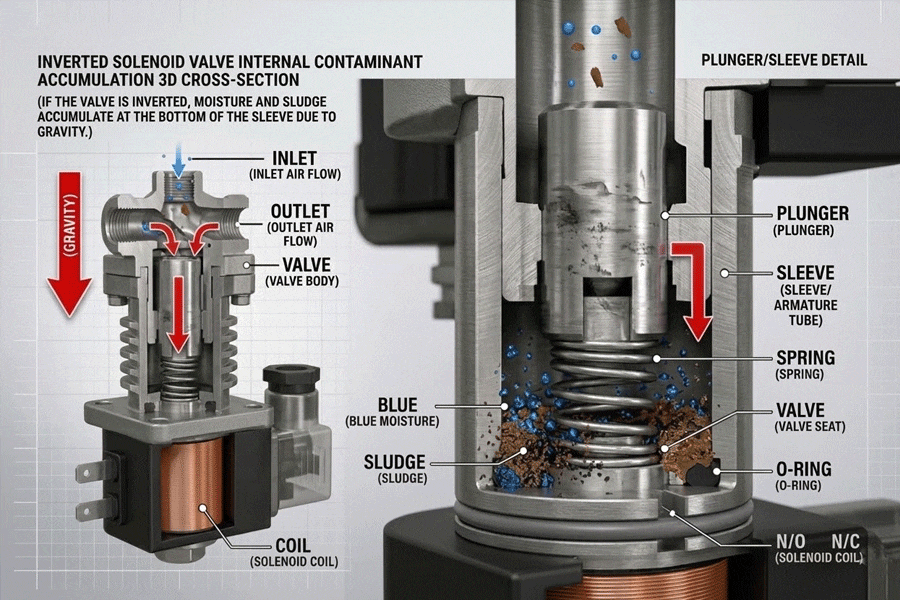
To understand why upside-down mounting is problematic, we need to look inside the valve.
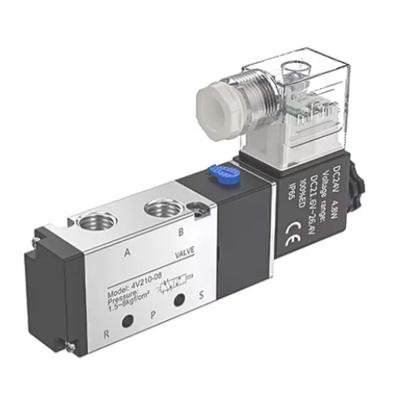
A standard pneumatic solenoid valve operates using an electromagnetic coil that pulls a metallic plunger (armature) to open or close the air circuit. The plunger moves inside a hollow armature tube.
When a valve is mounted in the recommended upright position (coil on top), gravity works in its favor. However, if the valve is inverted, gravity becomes its worst enemy. Compressed air is rarely 100% pure; it often contains trace amounts of moisture, compressor oil, and microscopic pipe scale. When inverted, gravity causes this contaminated liquid to pool directly inside the armature tube.
The Crucial Role of Air Preparation
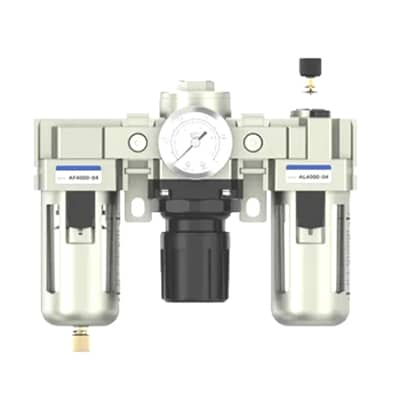
If your system design absolutely mandates an inverted or sideways installation, the quality of your compressed air becomes your only line of defense. It is strictly required to install a high-quality Pneumatic FRL Unit (Filter, Regulator, Lubricator) immediately upstream of the valve. A reliable air line filter will catch condensation and debris before gravity can drag it into your valve’s core.
The 3 Risks of Upside-Down Installation
Ignoring standard mounting practices can lead to several cascading failures in your pneumatic circuit:
- Valve Spool Jamming: As water and dirty oil accumulate and dry out inside the inverted tube, they create a sticky sludge. This restricts the plunger’s movement, eventually causing the valve spool to stick or burn out the coil.
- Sluggish Cylinder Response: A sticky valve translates to delayed air delivery. If the valve hesitates, your downstream double acting pneumatic cylinders will suffer from erratic, jerky, or sluggish actuation times, ruining your machine’s synchronization.
- Vulnerable Exhaust Ports: Mounting a valve upside down often means the exhaust ports are now pointing directly upward. In a dusty factory environment, debris will fall straight into the open exhaust ports. If this orientation is unavoidable, you must install Sintered Bronze Silencers on all exhaust ports to act as a protective barrier against falling dust.
Do Valve Types Affect Mounting Rules?
Yes, slightly.
- Direct Acting Solenoid Valves rely solely on the magnetic coil to lift the plunger. They are generally more sensitive to the weight of the plunger and gravity, making upside-down mounting especially risky.
- Pilot Operated Solenoid Valves use the system’s air pressure (typically between the standard operating range of 6 to 8 Bar, or 90 to 115 PSI) to shift the main spool. While slightly more forgiving of orientation, the pilot hole is extremely tiny and highly susceptible to the moisture pooling mentioned earlier.
Best Practices for Tight Spaces (Alternative Solutions)
If you are considering mounting a valve upside down just to make the tubing fit inside a small enclosure, there is a better engineering approach.
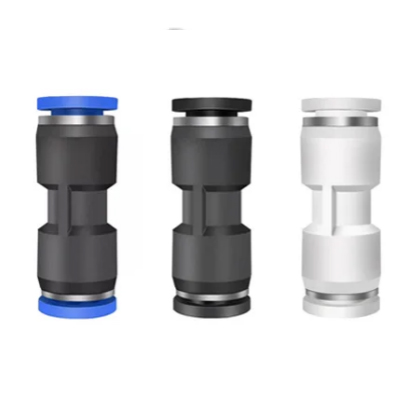
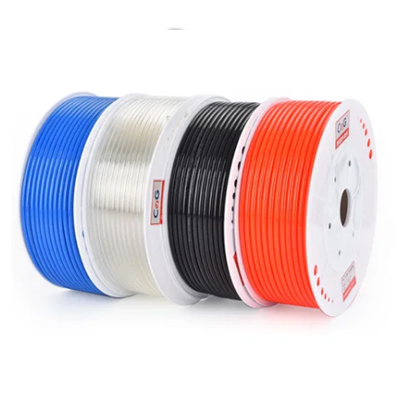
Optimize your routing instead of compromising the valve. Keep the valve mounted upright or horizontally, and use smart connection accessories to navigate the tight corners. By utilizing Right-Angle Push-to-Connect Fittings paired with high-flexibility PU Pneumatic Tubing, you can easily route air lines through cramped spaces. Quality PU tubing (typically Shore 95A or 98A hardness) offers an incredibly tight minimum bend radius, meaning it won’t kink or restrict airflow even when routed sharply around a correctly mounted valve.
Conclusion
While you can mount a pneumatic solenoid valve upside down in an absolute emergency, it is an engineering shortcut that will inevitably lead to premature failure, air leaks, and machine downtime. Always strive for an upright installation, prioritize clean air with proper FRL units, and use flexible fittings to solve space constraints.
Need help designing a compact pneumatic circuit? Contact our engineering team today to find the perfect components for your specific space requirements.