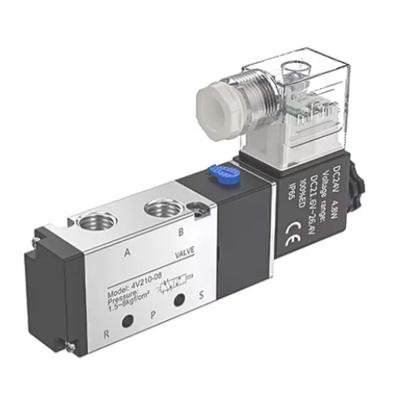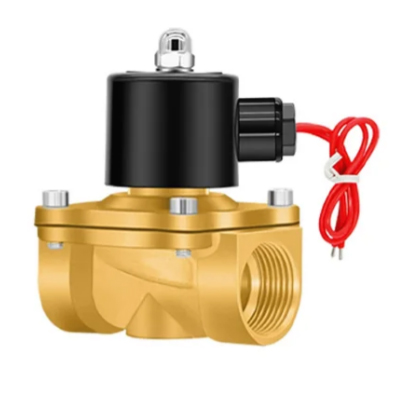
When purchasing a pneumatic solenoid valve, one of the most critical decisions you will make is selecting the “Normal” state of the valve. On a technical data sheet, you will see this listed as Normally Closed (NC) or Normally Open (NO).
While it may seem like a simple wiring preference, choosing the wrong type can lead to higher electricity bills, shortened coil lifespans, and, in some cases, catastrophic machine failure during a power outage.
In this guide, we will break down the mechanics of NO and NC valves, help you determine which one fits your safety requirements (fail-safe mode), and explain how to optimize your system’s energy efficiency.
The Concept of the “De-Energized” State
In pneumatics, the terms “Normally Open” and “Normally Closed” refer to the valve’s position when it is de-energized—meaning there is zero electrical power going to the solenoid coil.
What is a Normally Closed (NC) Solenoid Valve?
A Normally Closed solenoid valve is the most common type used in industrial automation.
- Power OFF: The valve remains closed. No compressed air can pass through.
- Power ON: The coil generates a magnetic field, lifting the plunger to open the valve, allowing air to flow.
- Best For: Most safety applications where you want air to stop flowing immediately if the power fails or the emergency stop is pressed.
What is a Normally Open (NO) Solenoid Valve?
A Normally Open solenoid valve works in the exact opposite way.
- Power OFF: The valve is wide open. Compressed air flows freely through the circuit.
- Power ON: The coil pulls the plunger down to block the flow of air.
- Best For: Systems that require constant airflow or cooling, where the valve only needs to be closed occasionally.
NO vs. NC: Comparison at a Glance
| Feature | Normally Closed (NC) | Normally Open (NO) |
|---|---|---|
| Default State (No Power) | Closed (Blocked) | Open (Flowing) |
| State when Energized | Open | Closed |
| Power Consumption | Consumes power to OPEN | Consumes power to CLOSE |
| Frequency in Industry | High (~80% of applications) | Specialized Applications |
| Fail-Safe Mode | Air stops on power loss | Air flows on power loss |
3 Critical Factors When Choosing Between NO and NC
1. The Fail-Safe Requirement (Safety First)
The most important question is: “If I lose power right now, what is the safest position for the machine?”
- If you are driving a pneumatic cylinder that holds a heavy load, you likely want an NC valve to lock the air in place or exhaust it safely (depending on the circuit design).
- If you are running a cooling system for a critical motor, you want an NO valve so that if the power fails, the cooling air continues to flow to prevent fire or overheating.
2. Duty Cycle & Energy Efficiency
“Duty cycle” refers to how long a valve stays energized.
- If a valve needs to be open for 23 hours a day and closed for only 1 hour, you should choose a Normally Open (NO) valve.
- Why? Because a solenoid coil consumes electricity and generates heat the entire time it is energized. By using an NO valve for a constantly open application, you save 23 hours of electricity and prevent your solenoid coils from overheating and burning out prematurely.
3. Solenoid Coil Lifespan
Heat is the #1 killer of solenoid valves. If an NC valve is forced to stay “ON” for long shifts, the internal copper windings can degrade. If your application requires the valve to be energized more than 8 hours at a time, check the coil’s temperature rating or consider switching the logic to an NO valve to increase the component’s lifespan.
How to Identify Your Valve
Not sure which one you have? Look at the pneumatic symbol printed on the valve body:
- Normally Closed (NC) Symbol: Shows the initial path (next to the spring) as blocked by a “T” shape.
- Normally Open (NO) Symbol: Shows the initial path (next to the spring) as an open arrow connecting the ports.
Maintenance Tip: Preventing Stuck Plungers
Whether you choose NO or NC, the plunger inside must move freely. Over time, moisture and degraded oil can cause the plunger to “stick” in its default position.
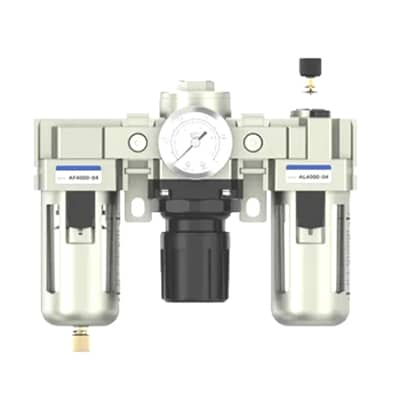
- The Solution: Ensure your compressed air is filtered through a high-quality Pneumatic FRL Unit. Regular maintenance of your air lines prevents water contamination, which is the primary cause of valve failure.
Conclusion: Designing for Reliability
Choosing between Normally Open and Normally Closed is not just a technicality—it is a design choice that impacts safety, costs, and maintenance. Always prioritize the fail-safe state of your equipment first, then consider the duty cycle to maximize your coil’s life.
Confused about which fail-safe mode your system needs? Our technical support team can help you review your pneumatic schematics and recommend the perfect Normally Open or Normally Closed Solenoid Valve for your specific application. Contact us now!