When winter arrives, facility managers and OEM engineers operating outdoor equipment face a critical challenge: frozen pneumatic systems. From sluggish pneumatic cylinders to completely blocked air lines, cold weather can bring your automated production, lumber mill, or mobile construction equipment to a grinding halt.
The financial impact of a frozen air compressor line goes far beyond replacing a cracked plastic fitting; it results in hours of expensive, unplanned downtime.
To maintain peak efficiency when temperatures drop below freezing, you need a proactive approach. This guide covers everything you need to know about cold weather pneumatics, how to effectively prevent freezing in compressed air lines, and why choosing the right winter-grade components is your best defense.
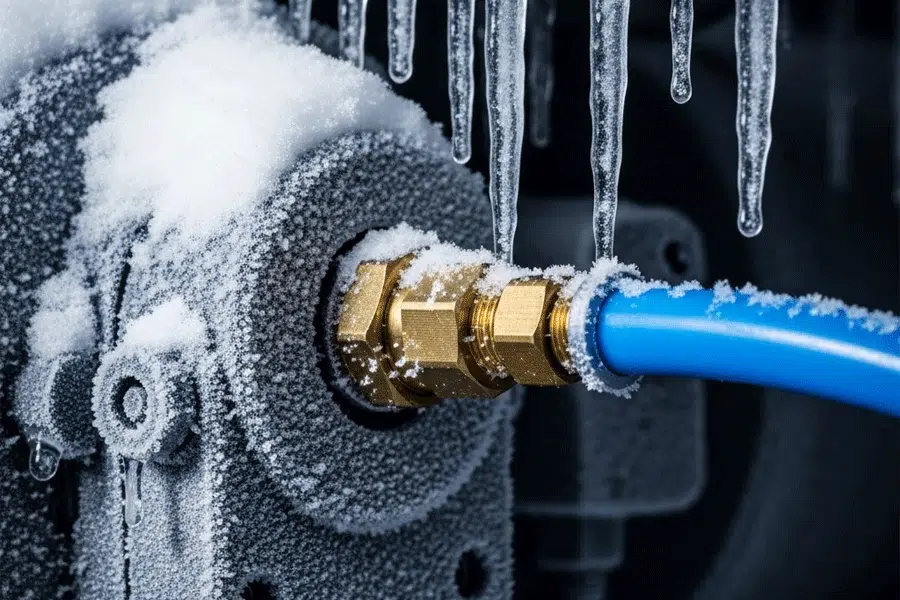
The Hidden Enemy in Winter: Condensation and Dew Point
Contrary to popular belief, cold air itself does not freeze pneumatic components. The real culprit is the moisture (water vapor) suspended in the compressed air.
When air is compressed, it gets hot and holds a significant amount of water. As this air travels through your factory or outdoor piping, it cools down. Once the air temperature drops below its pressure dew point, the water vapor condenses into liquid water. If the ambient temperature is below 32°F (0°C), that liquid water instantly turns into ice, clogging valves, expanding inside fittings, and locking up actuators.
Therefore, the golden rule of winterizing pneumatic systems is simple: To stop the ice, you must remove the water.
4 Steps to Winterize Your Compressed Air System
Preventative maintenance is significantly cheaper than emergency thawing. Here is a 4-step approach to protecting your air lines:
1. Drop the Dew Point (Desiccant vs. Refrigerated Dryers)
Many indoor facilities rely on standard refrigerated air dryers. However, refrigerated dryers can only lower the dew point to about 38°F (3°C). If your air lines run outside in sub-zero temperatures, the remaining moisture will still freeze. For true winter protection, you must use a desiccant air dryer, which can push the pressure dew point down to an incredible -40°F (-40°C), ensuring absolutely dry air enters your network.
2. Upgrade to Heavy-Duty FRL Units & Water Separators
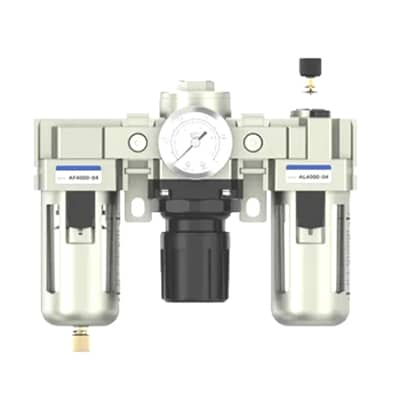
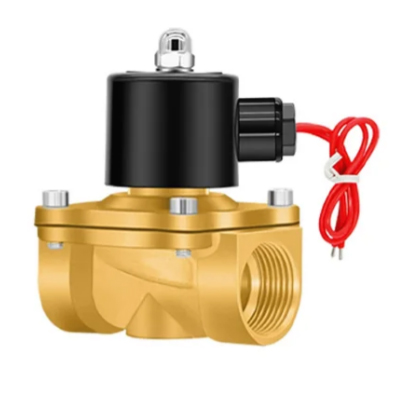
If upgrading to a massive desiccant dryer isn’t in your budget, point-of-use protection becomes your last line of defense. Installing high-quality pneumatic water separator filters and FRL (Filter, Regulator, Lubricator) units just upstream of your critical machines will strip out condensed water before it enters your sensitive solenoid valves.
3. Protect Your Auto Drains from Freezing Solid
An automatic drain valve is useless if it is frozen. If a drain freezes in the “closed” position, water floods the system. If it freezes “open,” you lose massive amounts of compressed air pressure. Consider installing heated auto drains or wrapping exposed drain valves in heat tracing tape to ensure continuous moisture removal.
4. Using Pneumatic Antifreeze in Lubricators (A Temporary Fix)
For mobile equipment (like snowplows or logging trucks) where large dryers aren’t practical, engineers often inject an air line antifreeze (like Kilfrost) into the system. You can use an antifreeze pneumatic lubricator to atomize the chemical into the airstream. This prevents the condensed water from freezing and acts as a lubricant for the cylinders. (Note: Ensure the antifreeze is compatible with your specific cylinder and valve seals to prevent chemical degradation).
Choosing the Right Cold-Weather Pneumatic Components
Even with excellent moisture control, extreme cold changes the physical properties of plastics and rubbers. Standardizing your Bill of Materials (BOM) with winter-grade parts is crucial.
Why Standard Plastic Tubing Snaps (And Why You Need Cold-Temperature PU)
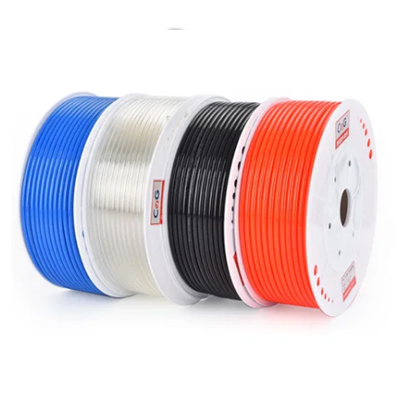
At sub-zero temperatures, standard Nylon or cheap Polyethylene (PE) tubing becomes as brittle as glass. The natural vibration of a machine can cause these hardened tubes to snap, causing massive air leaks.
- The Solution: Always specify cold temperature PU (Polyurethane) tubing for outdoor or unheated applications. High-quality PU maintains its high flexibility and kink resistance even in freezing conditions, ensuring reliable airflow to moving parts.
Brass Fittings vs. Plastic in Sub-Zero Temperatures
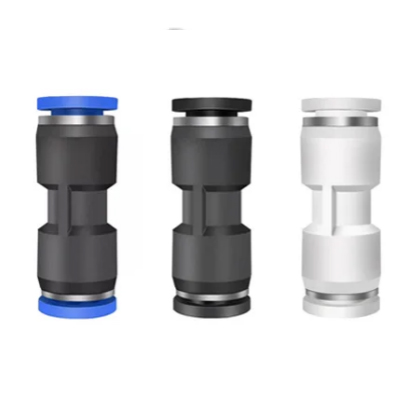
While plastic push-to-connect fittings are great for indoor automation, extreme cold can cause the plastic body to shrink, embrittle, and crack under pressure spikes.
- The Solution: For heavy-duty winter applications, switch to all-brass pneumatic fittings. Brass offers exceptional thermal stability. It will not become brittle in freezing temperatures, ensuring the internal O-rings and lock claws maintain a permanent, leak-proof grip on the tubing.
Beware of Seal Embrittlement in Valves and Cylinders
If your packaging machine or outdoor actuator is moving sluggishly on a cold morning, it’s likely due to seal embrittlement. Standard NBR (Nitrile) O-rings become hard and lose their sealing capability in extreme cold. If your equipment operates below -20°C, specify valves and cylinders equipped with special low-temperature seals (like cold-rated Polyurethane or specialized elastomers).
Conclusion & Winter Maintenance Checklist
Don’t wait for the first blizzard to discover that your pneumatic system is full of water. By controlling the dew point, installing robust water separators, and upgrading to cold-resistant PU tubing and brass fittings, you can eliminate the costly headaches of frozen air lines.
Winterizing Checklist for Sourcing Managers:
- [ ] Verify the performance of existing air dryers.
- [ ] Install water separators and FRLs at critical machine drops.
- [ ] Replace brittle plastic tubing with high-flexibility PU tubing.
- [ ] Upgrade outdoor connection points to all-brass pneumatic fittings.
Need to Winterize Your Factory or Equipment? We supply heavy-duty pneumatic components designed to survive the harshest environments. From cold-weather PU tubing to rugged brass fittings and FRL units, we have the inventory you need to keep your production running year-round.
[Contact us today to request a quote and secure your winter pneumatic supplies!]