When your automated machinery suddenly stops, the pneumatic system is often the first suspect. You check the air pressure—it’s fine. You check the PLC—it’s sending the signal. But the pneumatic cylinder refuses to move.
In 80% of these cases, the culprit is a burned-out pneumatic solenoid valve coil.
Before you start tearing apart the mechanical components of your equipment, you need to diagnose the electrical side. This guide will show you exactly how to test a solenoid valve coil using two proven methods, explain why it burned out in the first place, and help you decide whether to replace the coil or the entire valve.
Safety First: Before You Test the Solenoid
Working with industrial pneumatics and electricity requires strict safety protocols.
- Lockout/Tagout (LOTO): Disconnect the main electrical power to the machine.
- Bleed the Air: Shut off the main air supply and exhaust any residual compressed air in the system. A sudden valve actuation during testing could cause a cylinder to move unexpectedly, risking severe injury.
Method 1: The Quick Magnetic Test (The Screwdriver Trick)
If you are on the factory floor and don’t have a multimeter handy, this is the oldest trick in the maintenance technician’s playbook. A functioning solenoid coil creates a strong magnetic field to lift the internal plunger (armature).
- Safely remove the retaining nut at the top of the solenoid valve and slide the coil slightly off the valve stem.
- Reconnect the power (ensure your hands are clear of any moving mechanical parts).
- Insert the metal shaft of a standard screwdriver into the center hole of the coil.
- The Result: If the coil is good, you will instantly feel a strong magnetic pull grabbing the screwdriver, often accompanied by a distinct “click.” If there is absolutely zero magnetic pull, the coil is dead.
Method 2: The Accurate Multimeter Test (Checking Resistance)
For a definitive diagnosis, you must measure the electrical resistance of the copper windings inside the coil using a digital multimeter.
Step 1: Disconnect and Set Up
- Disconnect the square DIN 43650 connector from the coil.
- Turn your multimeter on and set it to the Ohms (Ω) / Resistance setting.
- Touch the two multimeter probes to the two main power terminals (pins) on the coil. (Ignore the third ground pin, which is usually longer or off to the side).
Step 2: Read the Results
- A Healthy Reading: Depending on the voltage (e.g., 24V DC, 110V AC, 220V AC) and wattage of the coil, a good coil will show a specific resistance value, typically anywhere from 20 to 150 Ohms.
- Reading
OLor1(Infinity): This indicates an Open Circuit. The incredibly thin copper wire inside the coil has overheated and snapped. The coil is officially burned out and must be replaced. - Reading
0.00to1.0Ohms: This indicates a Short Circuit. The internal insulation coating on the copper wire has melted away, causing the electricity to bypass the coil. This will often blow the fuse in your control panel. The coil is dead.
Pro-Tip: Don’t Blame the Coil Too Fast! Before throwing away the coil, use your multimeter (set to Voltage) to test the wires inside the black DIN connector. Often, the coil is perfectly fine, but a loose wire inside the DIN plug or a blown fuse means no voltage is reaching the valve in the first place.
Why Did Your Solenoid Coil Burn Out? (Finding the Root Cause)
Replacing a burned-out coil without finding the root cause is a waste of money. It will simply burn out again tomorrow. Here are the three main killers of solenoid coils:
1. The Armature is Stuck (The AC Coil Killer)
This is the #1 reason AC (Alternating Current) coils burn out. When an AC coil is energized, it draws a massive spike of electricity called “inrush current” to magnetically pull the plunger upward. Once the plunger hits the top, the current drops to a low, safe “holding current.” However, if dirty compressed air has introduced moisture, rust, or debris into the valve, the internal spool or plunger gets physically stuck. The plunger never reaches the top, the inrush current never drops, and the massive electrical load literally bakes the coil to death within minutes.
2. Voltage Mismatch or Spikes
Applying 220V AC to a 24V DC coil will result in an immediate, smoking failure. Always double-check the voltage rating printed on the coil’s nameplate. Additionally, sudden power surges from the factory grid can fry the delicate internal windings.
3. Overheating and Environmental Factors
Solenoid coils generate heat. If they are installed in extremely hot environments (like near an industrial furnace) without adequate ventilation, the internal insulation melts. If the valve is in a wet washdown area and isn’t rated IP65/IP67, water ingress will cause a rapid short circuit.
The Fix: Replace the Coil or the Entire Valve?
Now that you have confirmed the coil is dead, you have a sourcing decision to make.
- When to Replace ONLY the Coil: If the coil failed due to old age, a rare power surge, or water damage, the mechanical valve body is likely fine. You can save money by ordering a simple replacement solenoid coil. Just slide the old one off and slide the new one on.
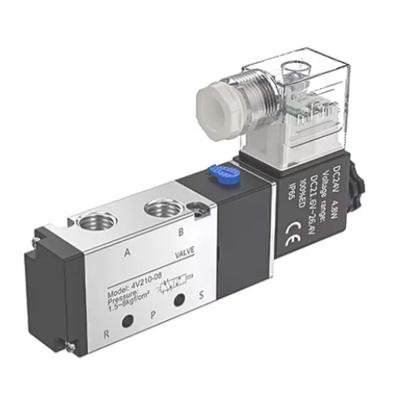
- When to Replace the ENTIRE Valve (and upgrade your FRL): If your AC coil burned out because the internal valve spool was stuck (Reason #1 above), buying a new coil will not fix the sticky valve. You must replace the entire pneumatic solenoid valve.
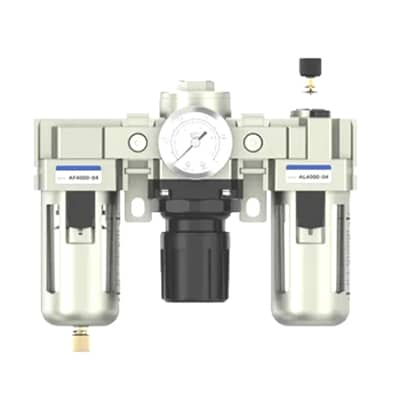
Important Sourcing Hack: A stuck valve is a symptom of poor air quality. To protect your new valves and coils, you should install a high-quality FRL (Filter, Regulator, Lubricator) unit immediately upstream of your pneumatic manifold to strip away the rust, water, and debris that kills valves.
Conclusion: Source Reliable Replacement Solenoids
Downtime is expensive, and troubleshooting doesn’t have to be a guessing game. By mastering the screwdriver trick and the multimeter resistance test, you can confidently diagnose a burned-out solenoid coil in minutes.
Need a drop-in replacement right now? We manufacture high-quality, surge-resistant pneumatic solenoid valves, replacement coils (available in 12VDC, 24VDC, 110VAC, and 220VAC), and the FRL units needed to protect them.