In the world of industrial automation, compressed air is often called the “fourth utility.” However, unlike electricity or water, compressed air carries a hidden enemy that can bring an entire production line to a standstill: Moisture.
Statistics show that nearly 90% of pneumatic system failures are caused by poor air quality, with water being the primary culprit. But what exactly happens when water enters your lines? Is it just a minor annoyance, or a catastrophic risk?
In this guide, we will uncover the five destructive effects of water in pneumatic systems and provide a professional roadmap to keeping your air lines bone-dry.
The 5 Catastrophic Effects of Moisture in Your Air System
Water doesn’t just sit in the pipes; it travels downstream, reacting with your most expensive components. Here is the damage it leaves behind:
1. Internal Corrosion and Rusting
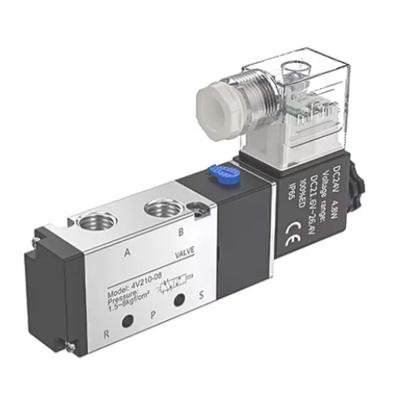
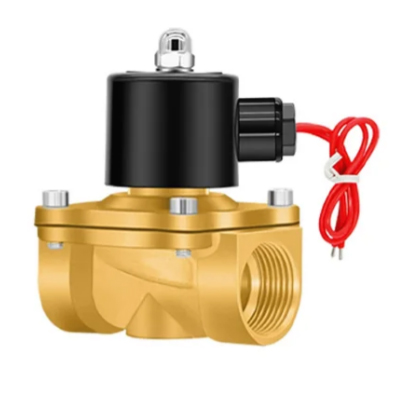
Compressed air combined with water creates the perfect environment for oxidation. This leads to rust forming inside the metal bodies of your pneumatic solenoid valves and pneumatic cylinders. Rust flakes can break off and act as abrasive sandpaper, scratching the precision-honed internal surfaces and causing permanent air leaks.
2. Washing Away Critical Lubrication
This is the most overlooked danger. High-quality pneumatic components are pre-lubricated with specific greases. Water acts as a solvent, washing away this lubrication.
- The Result: Without oil, your seals run dry. You will see “milky” or cloudy oil in your pneumatic lubricator—a clear sign that water has contaminated your lubricant, rendering it useless.
3. Seal Swelling and Degradation
Most pneumatic seals are made of Nitrile (NBR) or Viton. While they are oil-resistant, constant exposure to water (especially if mixed with degraded compressor oil) causes the rubber to swell or lose its elasticity. Swollen seals increase friction, leading to the “jerky movement” we discussed in previous guides, and eventually causing the seal to crack and fail.
4. Clogging and Sluggish Response
When water mixes with ambient dust and carbonized oil, it forms a thick, yellowish sludge. This sludge is notorious for clogging sintered bronze silencers. A clogged silencer creates excessive back-pressure, making your cylinders move much slower than they should and throwing your machine’s timing out of sync.
5. Freezing in Cold Environments
If your factory or equipment is located in a cold climate, water in the lines is a ticking time bomb. As air expands, it drops in temperature. Any moisture can instantly turn into ice, physically blocking the airflow and completely freezing up your 5/2 way solenoid valves or air tools.
How to Detect Water in Your System (Symptoms)
If you notice any of these signs, you already have a moisture problem:
- Water “spitting” from the exhaust ports of your valves or air tools.
- Corrosion visible on the threads of your brass or steel fittings.
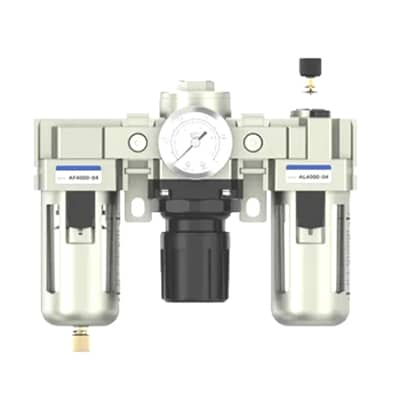
- Cloudy or milky liquid visible inside your FRL unit’s filter or lubricator bowl.
- Sudden sluggishness in cylinder actuation times.
How to Get Water Out of Your Pneumatic Lines?
Prevention is infinitely cheaper than repairing a rusted machine. Depending on your required ISO 8573-1 Air Quality Class, you should implement a multi-stage defense:
Level 1: High-Precision Air Filters (The Baseline)
Every air drop should have a Pneumatic Air Filter / Water Separator.
- Pro Tip: Look for a 5-micron or 40-micron filter element depending on your sensitivity. These filters use centrifugal force to spin water droplets out of the air stream and collect them in a bowl.
Level 2: Automatic Drain Valves (The “Set and Forget” Solution)
Manual drains are often forgotten by busy maintenance teams. Upgrade to an Automatic Drain Valve. These valves sense the water level in the filter bowl and automatically eject it, ensuring your system remains dry 24/7 without human intervention.
Level 3: Integrated FRL Units
A complete Pneumatic FRL Unit (Filter, Regulator, Lubricator) is your system’s best friend. After the filter removes the water, the lubricator re-introduces a clean oil mist (using ISO VG 32 oil) to restore the lubrication washed away by previous moisture issues.
Level 4: Refrigerated Air Dryers (The Ultimate Defense)
For high-precision industries like food packaging or electronics, a filter isn’t enough. You need to lower the Pressure Dew Point using a refrigerated air dryer to remove moisture at the source—the compressor room.
Conclusion: Protect Your Investment
A $50 investment in a high-quality Water Separator can save you $5,000 in damaged valves and lost production time. In pneumatics, clean air isn’t a luxury; it’s a requirement for survival.
Is your system showing signs of moisture damage? Don’t wait for a total breakdown. Our technical team specializes in air quality audits and can recommend the perfect combination of Auto-Drains, Filters, and FRL Units to keep your lines clear.