In the world of industrial manufacturing, the math is brutally unforgiving: A pneumatic tube that costs $5 to replace can easily cause a sudden machine shutdown that costs $5,000 per hour in lost production.
Despite this incredible risk, many facilities treat pneumatic tubing like the steel frame of their machines—assuming it will last forever. The reality is that pneumatic tubing is a consumable component, much like the oil in your car or the brake pads on a truck. It degrades over time due to pressure cycles, environmental exposure, and dynamic flexing.
So, how often should you actually replace your air lines? In this Preventative Maintenance (PM) guide, we will expose the dangerous “run-to-failure” mindset, reveal the 4 physical warning signs that your tubing is about to burst, and share the ultimate replacement rule used by top-tier facilities.
The Trap of “Run-to-Failure” Maintenance
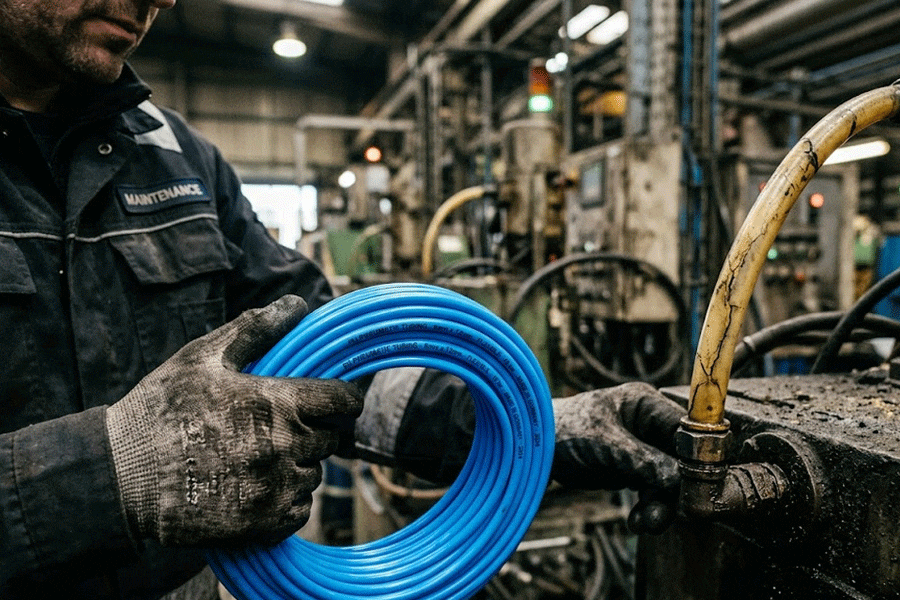
The most common maintenance strategy in average factories is “Run-to-Failure”—meaning, if it isn’t leaking, don’t touch it. This is a massive financial trap. When an aging air line finally bursts during peak production, your team enters “firefighting mode.” They scramble to find the leak, dig through the tool crib for the right size tubing, and rush to splice it back together. A planned replacement takes 5 minutes during a scheduled weekend shutdown; an unplanned burst takes an hour of chaotic, expensive downtime.
To avoid this, you must shift to Preventative Maintenance (PM). This starts by teaching your operators how to perform routine visual and physical inspections of the pneumatic circuits.
4 Warning Signs Your Pneumatic Tubing is About to Fail
You don’t need a degree in materials science to know when a tube is dying. If your maintenance team spots any of these four signs, it is time to cut and replace immediately.
1. Discoloration and Yellowing (The Compressor Oil Problem)
Clear or brightly colored tubing that has turned yellow, brown, or cloudy is a massive red flag. This happens for two reasons:
- UV Degradation: Prolonged exposure to sunlight or harsh factory lighting breaks down the plastic.
- Oil Carryover: Cheap PVC or PE tubes react violently when synthetic compressor oil bypasses the filters and travels down the air lines. The oil degrades the plastic from the inside out.
- The Fix: If your environment involves oil mist or harsh lighting, upgrade to premium Polyurethane (PU) Tubing or chemically resistant Nylon Tubing.
2. Brittleness and “The Bend Test”
Over years of use, the chemical plasticizers that make tubing flexible begin to evaporate.
- The Test: Take a section of older tubing and bend it sharply in your hand. If it feels stiff, makes a crackling sound, or develops micro-stress fractures on the outside of the curve, it is completely compromised. It will shatter like glass under a sudden pressure spike.
3. Deep Scoring at the Fitting Connection
When you pull an old tube out of a push-to-connect fitting, look closely at the tip. You will see deep gouges and scratch marks left by the stainless steel grab ring. Over time, vibration causes these metal teeth to chew deeply into the plastic, eventually compromising the seal and causing a blowout.
4. Bulging or Ballooning
If you see a section of tubing that looks slightly swollen or “ballooned,” shut the air off immediately. This means the structural wall of the tube has thinned out due to pressure fatigue, and a catastrophic burst is imminent.
The Lifespan Rule: Static vs. Dynamic Applications
While environmental factors vary, here is the industry-standard baseline for replacing pneumatic tubing:
- Static Applications (3 to 5 Years): For tubing that is simply routed along a frame from a valve manifold to a stationary cylinder, plan to replace all lines every 3 to 5 years.
- Dynamic Applications (1 to 2 Years): For tubing installed inside robotic drag chains, or connected to rapidly moving cylinders, the material suffers from severe dynamic flex fatigue. Even high-quality PU tubing in these high-stress zones should be preventatively replaced every 1 to 2 years, or after a calculated number of millions of bending cycles.
Pro-Tip: The “Spaghetti” Upgrade (Color-Coded Routing)
Since you are going to replace your aging tubes anyway, why put back the same messy, single-color “spaghetti” wiring?
World-class facilities use Color-Coded Pneumatic Routing to slash future troubleshooting time by 80%:
- Blue: Main air supply lines.
- Red: High-pressure working strokes (cylinder extending).
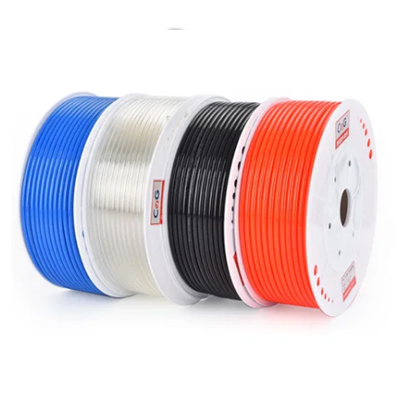
- Black: Return strokes (cylinder retracting). By purchasing multiple rolls of our vibrant, flexible PU Tubing, you can transform a chaotic machine into a masterpiece of engineering organization.
The Golden Rule of Replacement: New Tube = New Fitting
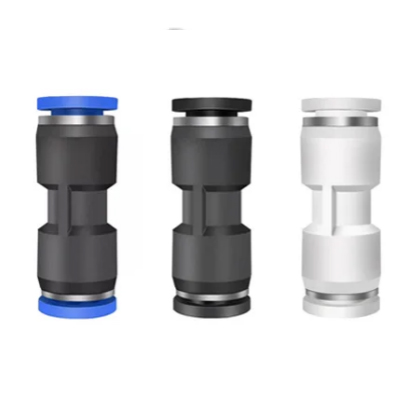
Here is the biggest mistake maintenance techs make during a rebuild: They meticulously cut brand-new, flexible PU tubing… and then shove it right back into a 5-year-old push-to-connect fitting.
This guarantees a leak.
If the tubing has aged, the internal NBR rubber O-ring inside the fitting has aged too. It has hardened, flattened out, and lost its ability to squeeze against the new tube. Furthermore, the metal grab ring has likely lost its tension.
- The Golden Rule: When performing preventative maintenance on an aging air circuit, always replace the fittings at the same time you replace the tubing. And remember, never use scissors. Use a professional Pneumatic Tube Cutter to ensure a perfectly flat 90-degree cut that seats flawlessly into your brand-new fittings.
Conclusion: Stop Waiting for the “Bang”
Downtime is a choice. By recognizing the visual signs of aging tubing, respecting the lifespan rules of dynamic machines, and adopting the “New Tube = New Fitting” golden rule, you can completely eliminate sudden pneumatic blowouts from your factory floor.
Are you ready to audit your machines and upgrade your air lines?
Stock your maintenance crib with the best. Explore our premium selection of highly flexible, multi-color Polyurethane (PU) Tubing, durable Push-to-Connect Fittings, and the essential Tube Cutters your team needs to get the job done right.